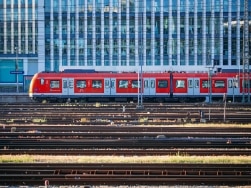
Currently, the S-Bahn Munich carries around 840,000 passengers to their destinations in and around Munich on a typical workday. Forecasts suggest that by 2040, passenger volume will rise to 1.5 million per day. The increasing demand for eco-friendly mobility is a clear sign of the growing importance of public transport within the mobility transition (Verkehrswende).
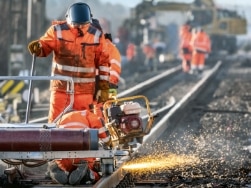
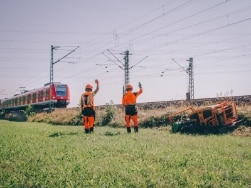
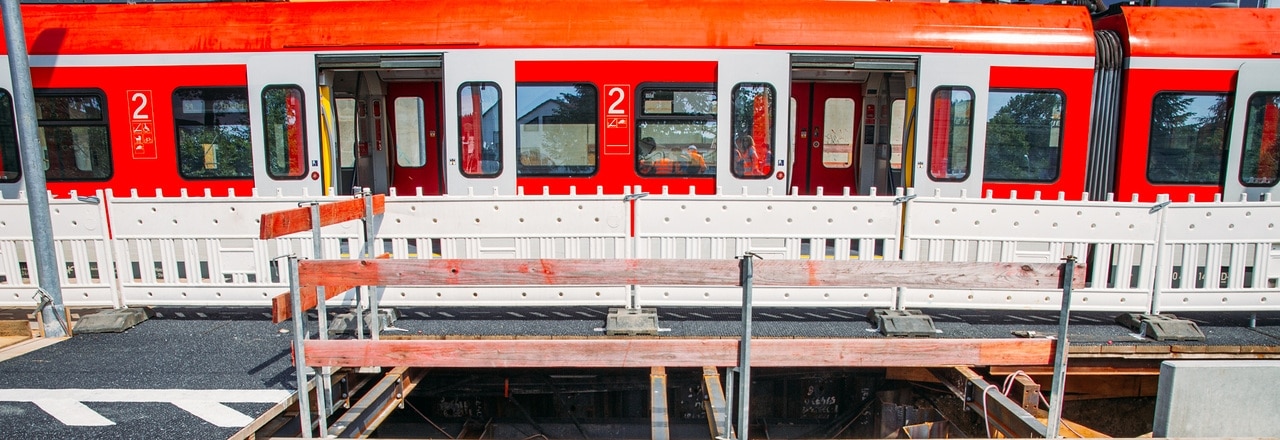
At the same time, increased traffic puts more strain on the rail network, leading to a higher need for maintenance. To ensure that many people can continue to use the S-Bahn Munich in the future, a high-performance rail infrastructure characterized by quality and reliability is of central importance. This is why we are heavily expanding the rail network in the Munich hub while simultaneously making the existing infrastructure fit for the future. This takes time, and construction work will accompany the S-Bahn network for many years to come. However, we are making progress every day, making the S-Bahn more reliable and efficient step by step.
Construction is a Team Effort
In addition to the S-Bahn Munich, other Deutsche Bahn companies are actively involved in ensuring that nearly 300 S-Bahn trains can run through the city and region every day.
-
S-Bahn Munich: Operates and maintains the trains on the tracks.
-
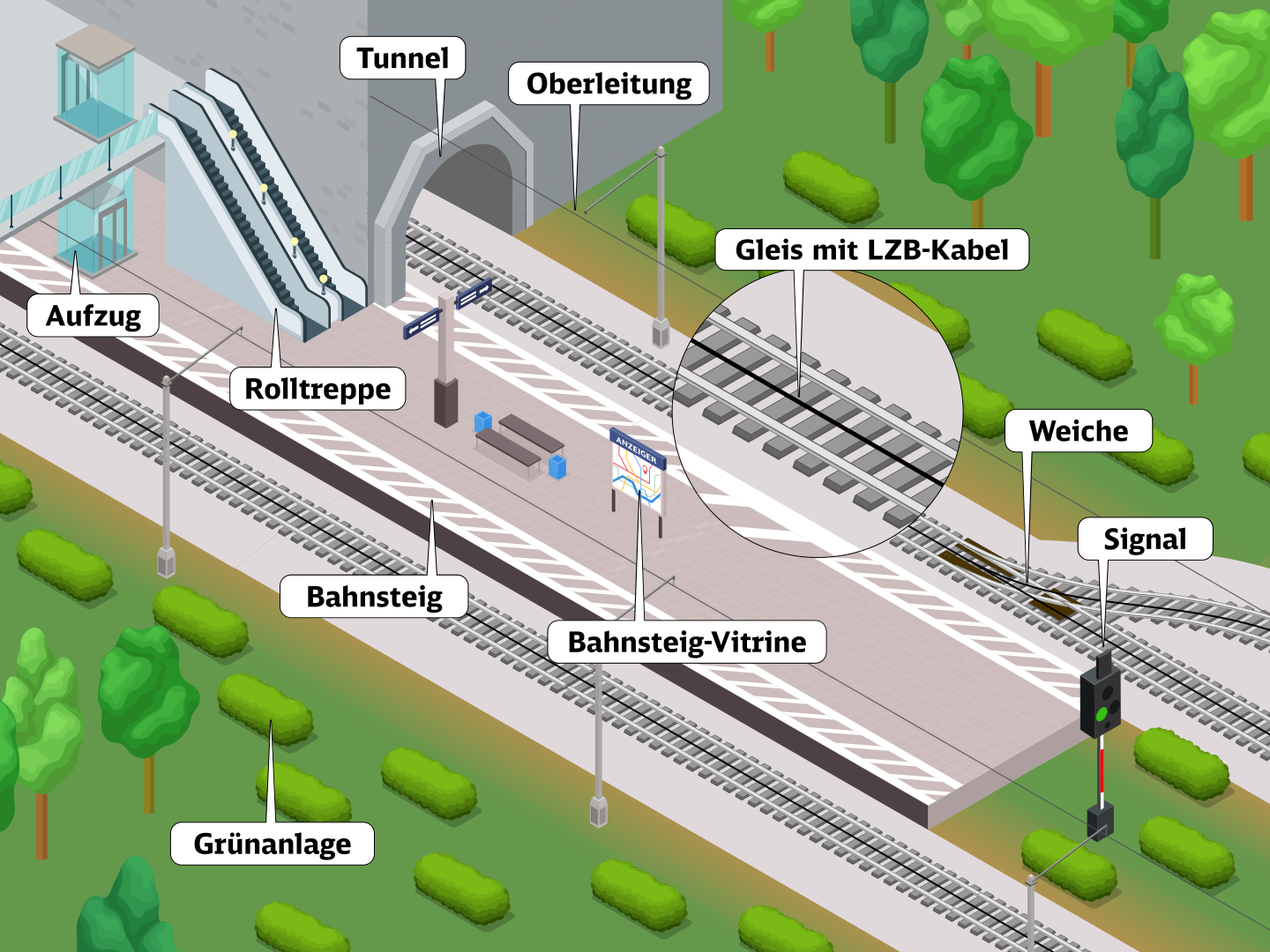
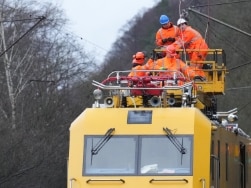
DB InfraGO AG: Responsible for modernization and maintenance of the rail infrastructure. This includes tracks, switches, overhead lines, and level crossings, as well as stations with platforms, escalators, and displays.
The vast number of construction measures within the 441 km S-Bahn network requires intensive planning and coordination with significant lead times. We bundle measures as much as possible and, in cooperation with DB InfraGO AG, place great importance on keeping the impact on passengers to a minimum.
Even though we do everything we can to minimize inconvenience, impacts on S-Bahn traffic are unavoidable. The numerous expansion and modernization projects are like interlocking cogs: if certain work cannot be implemented at a specific time, it creates a domino effect that would ultimately result in even greater disruptions. This makes it all the more important for us to provide open and transparent information about modernization and maintenance work.